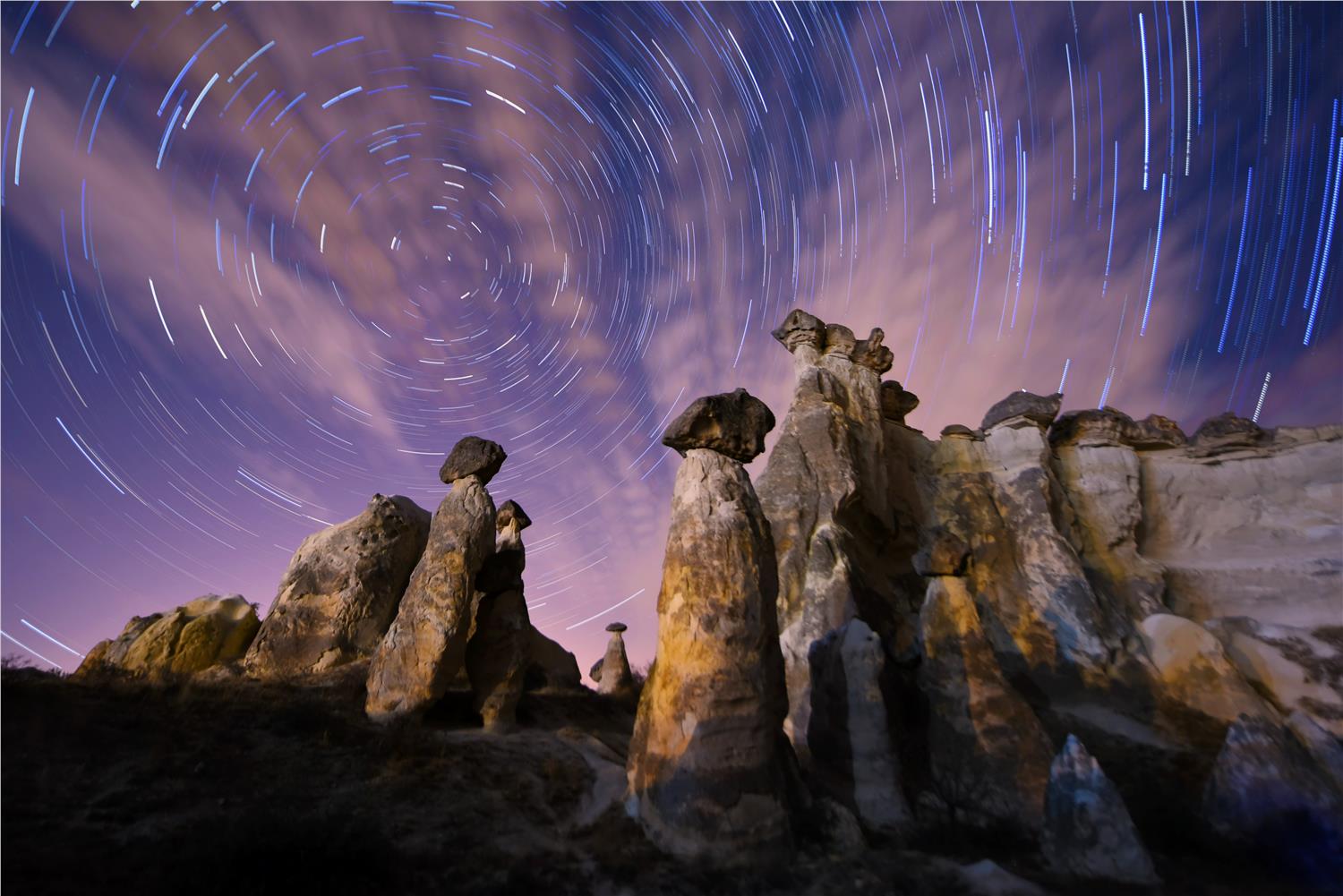
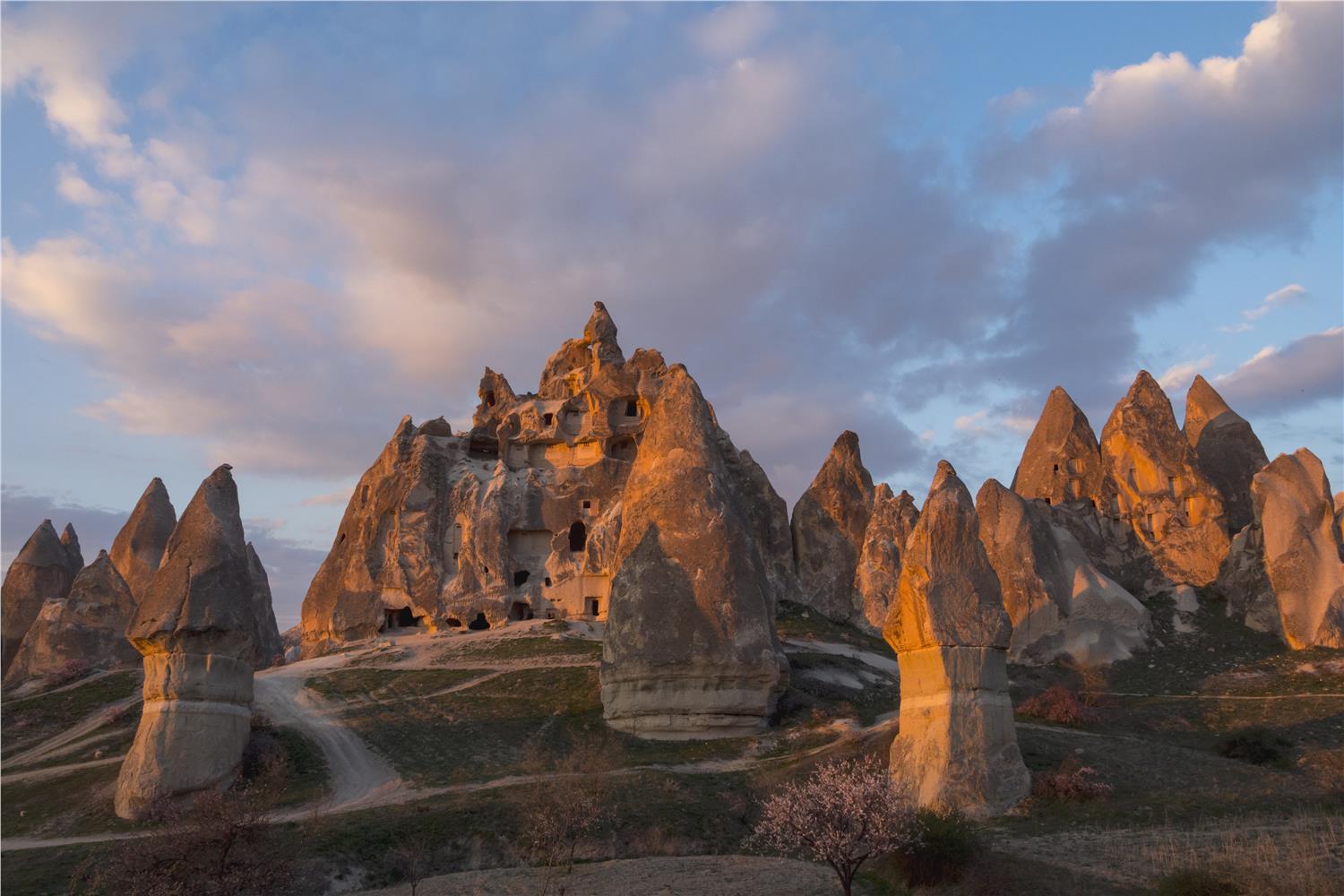
Goreme is a unique geography located in the heart of Cappadocia. With its natural formations, historical heritage and magnificent panorama, Goreme Cappadocia Turkey is really a magnificent place that every person should see throughout their life
Goreme is a unique geography located in the heart of Cappadocia. With its natural formations, historical heritage and magnificent panorama, Goreme Cappadocia Turkey is a magnificent place that every person should see throughout their life.
Visited by millions of people throughout the year, the places to visit within the scope of Goreme Cappadocia Turkey are very valuable in terms of nature, culture and history.
Goreme is one of the places where the most beautiful memories of Cappadocia are experienced in the central district of Nevşehir.
It is the region where the monastic life was intensely lived from the 4th century AD to the 13th century, where the rock hotels and restaurants of Cappadocia are the most densely gathered.
Its interesting and attractive geography and being in the centre of the places to visit in Kadapokya make it the first choice for accommodation.
Goreme Cappadocia Turkey has gained an important place in the field of tourism with its unique natural beauties, history, cultural structure and unique geography.
It is the most preferred settlement of Cappadocia by visitors with its location close to Goreme Open Air Museum and accommodation alternatives.
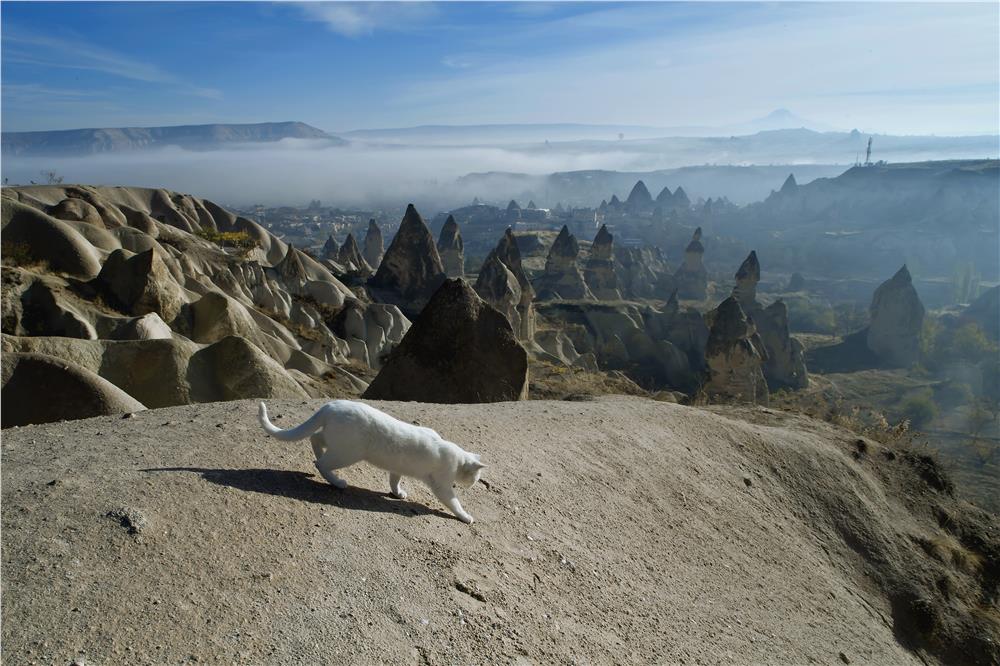
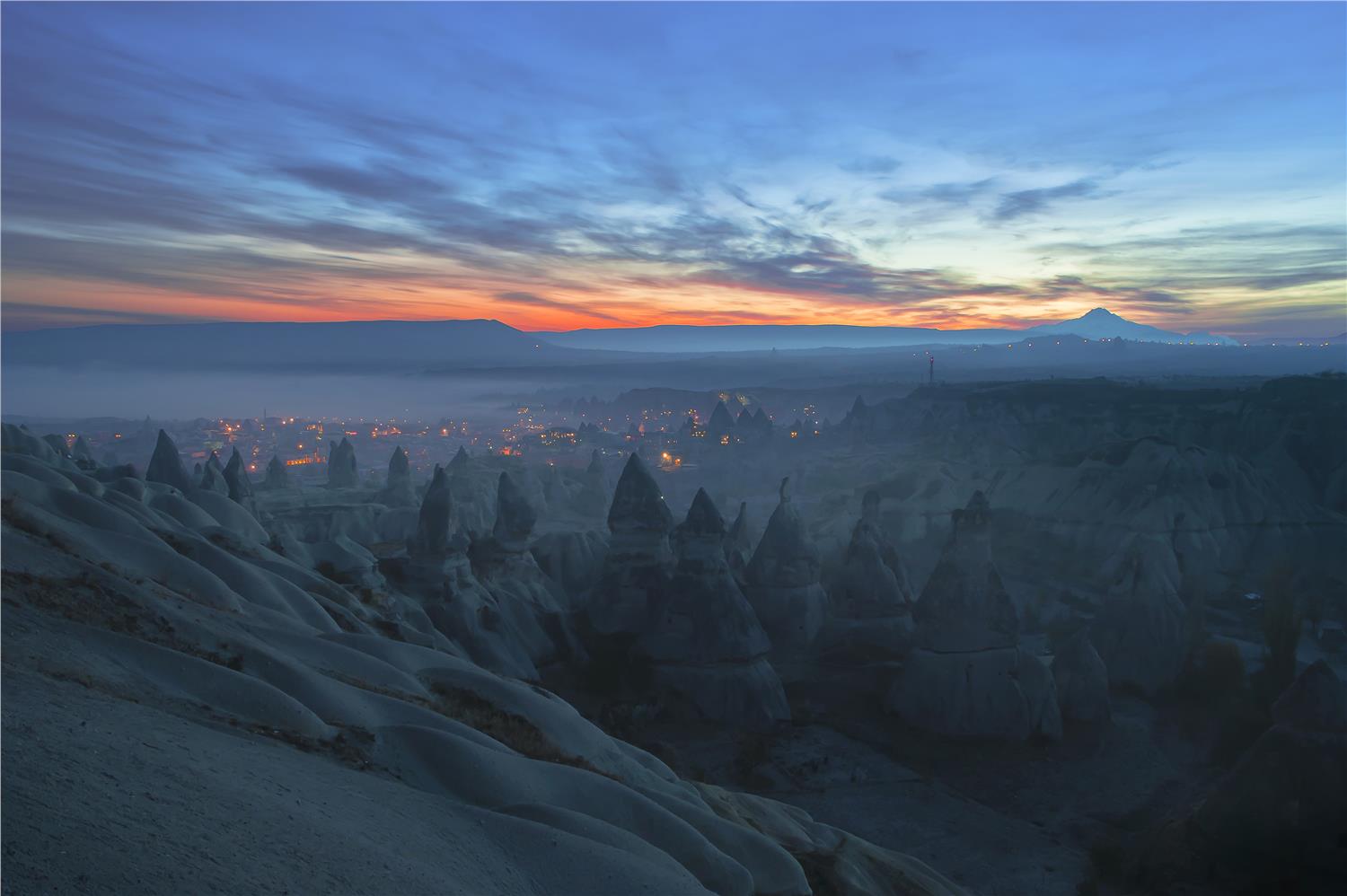
Göreme is located 10 kilometres from Nevşehir, surrounded by valleys, between the triangle of Nevşehir, Ürgüp and Avanos.
Although Urgup is the tourist centre of Cappadocia, it has recently become more prominent as it is within walking distance of Göreme Open Air Museum.
Göreme, located in a steep landscape valley, challenges its rivals in the race with its restored Cappadocian houses, delicious restaurants, and comfortable, quality accommodations.
Fairy Chimneys, the peaks of volcanic rocks rise from Goreme. Along with the Fairy Chimneys, the Open Air Museum, Red Valley, Kaymaklı and Derinkuyu underground cities are also very close to the Goreme.
Thanks to facilities such as cave hotels, cave suites and cave houses, it offers its guests the authentic cave experience that Cappadocia is famous for.
Visitors to Cappadocia Turkey balloons Cappadocia, Cappadocia hot air activities without riding the visit is not considered complete.
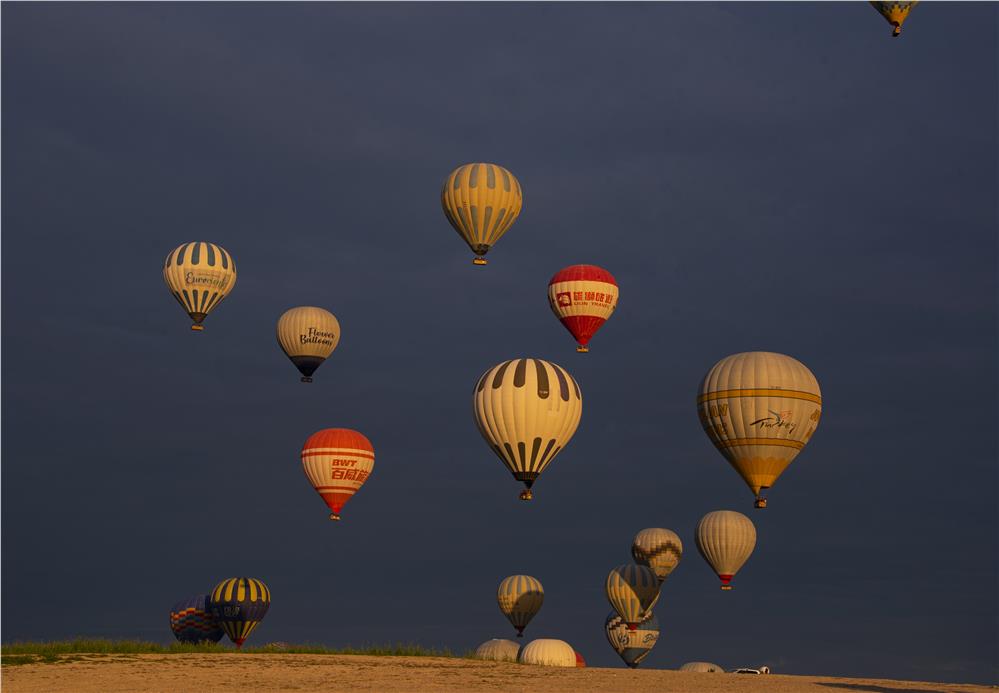
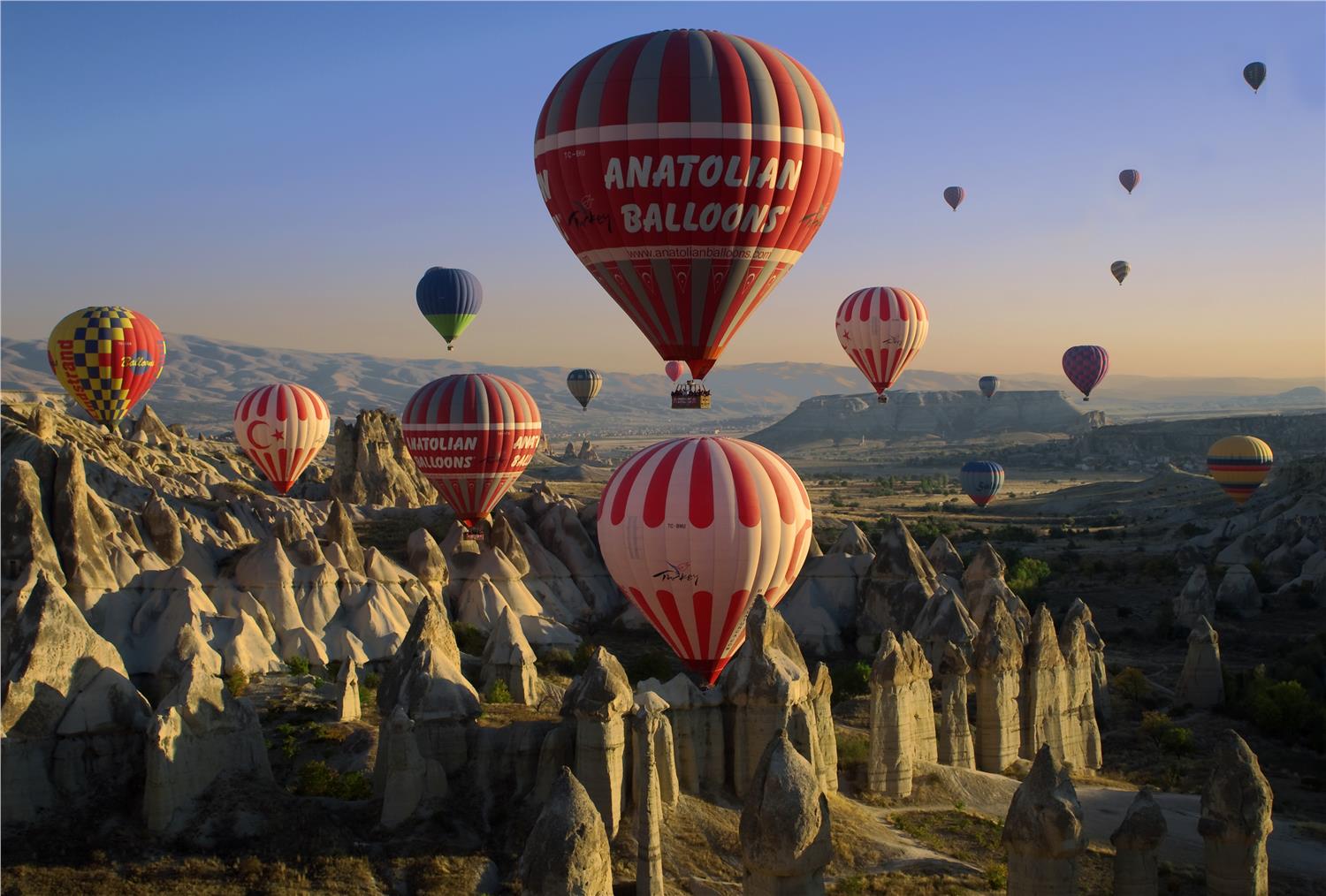
Turkey balloons Cappadocia, Cappadocia hot air flights start just outside Goreme.
Many of the stone hotels in Cappadocia have terraces offering views of Cappadocia hot air rising above the fairy chimneys.
Cappadocia, with its shape resembling a lunar landscape, is recognised worldwide for its cappadocia hot air. Every day, weather permitting, numerous hot air balloons soar over Goreme. This spectacular sight is enough to excite millions of tourists from all over the world.
You can reach here by vehicles departing from the centre of Nevşehir and agencies organising Goreme tours.
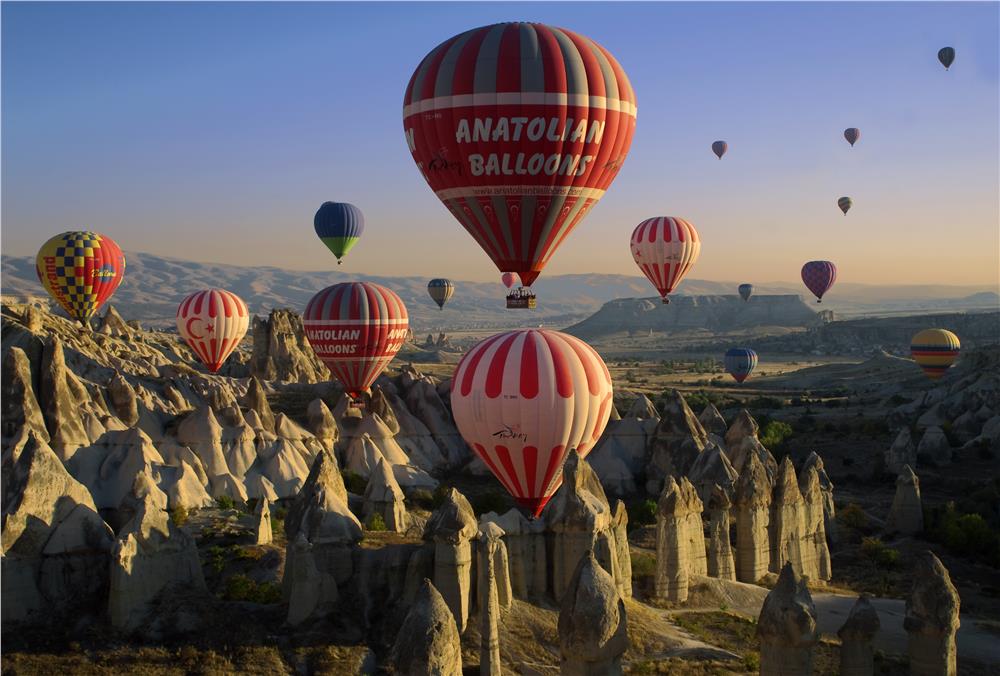
Depending on the capacity of the balloon, the balloon ride takes around an hour above a height of 500 metres with the person riding.
If you want to ride a hot air balloon, you should make a reservation. Because there is an intense interest and demand.
You should also be prepared for weather and wind delays.
If your budget is limited and you are afraid of heights, another option to see Cappadocia hot air flying over the Cappadocia landscape is to go to Goreme Lovers Hill.
Some Cappadocia hot air companies use the areas close to Aşıklar Hill, where visitors go to see the sunrise and sunset, as a take-off area. From this point, you can watch Turkey balloons cappadocia, Cappadocia hot air balloons being collected, inflated and taken off.
Since Lover's Hill is crowded, you should go very early and find the most suitable place for yourself.
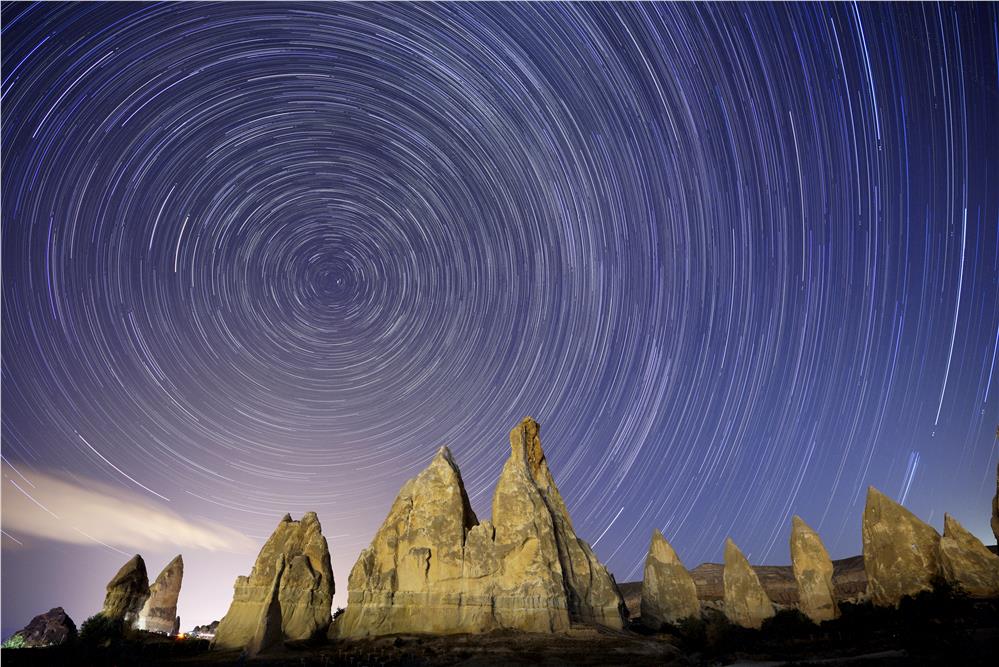
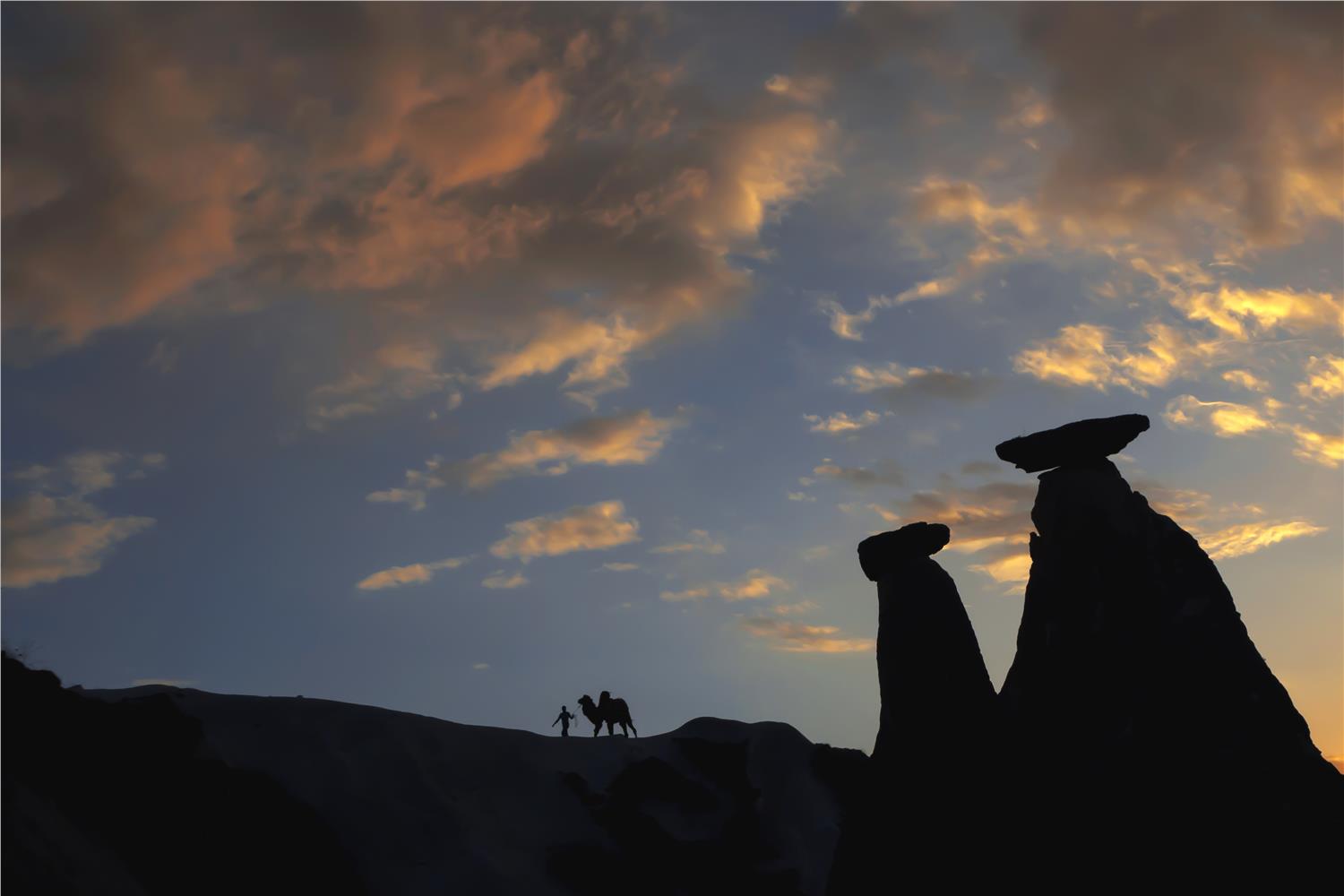
Fairy Chimneys in Goreme are unique geological formations that have become the symbol of the Cappadocia region.
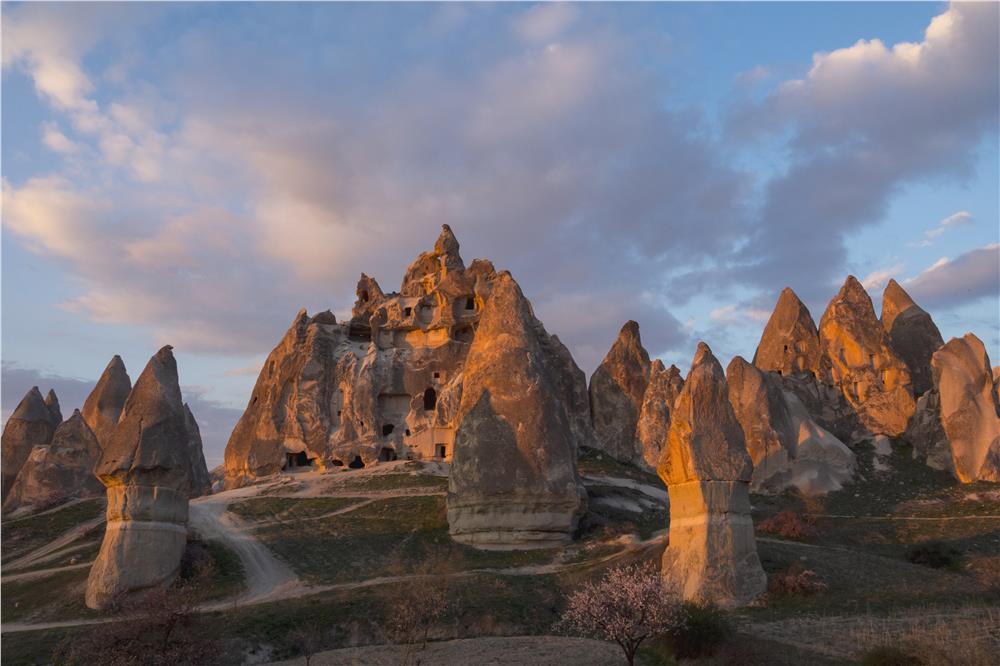
When you visit Goreme, you can see the comfort and modern facilities when you stay in modern cave houses that are warm in winter and cool in summer.
You can go to Goreme by bus, plane from Nevsehir and by bus, train and plane from Kayseri. It also has easy access via Istanbul, Antalya, Ankara and Izmir.
Other places to visit in Cappadocia; 10 km to Avanos, 90 km to Kayseri, 10 km to Nevşehir, 5 km to Uçhisar and 8 km to Ürgüp.
In the centre of Turkey, there is a 10-hour overnight bus journey from Istanbul to Antalya and a 4.5-hour bus journey from Ankara.
Air travel within Turkey is very convenient. Nevsehir Airport is 45 km away and Kayseri Erkilet Airport is 80 km away.
From anywhere in Goreme you can walk to the city centre and the bus terminal in a short time.
Goreme Open Air Museum and Uchisar Castle are within walking distance of Goreme.
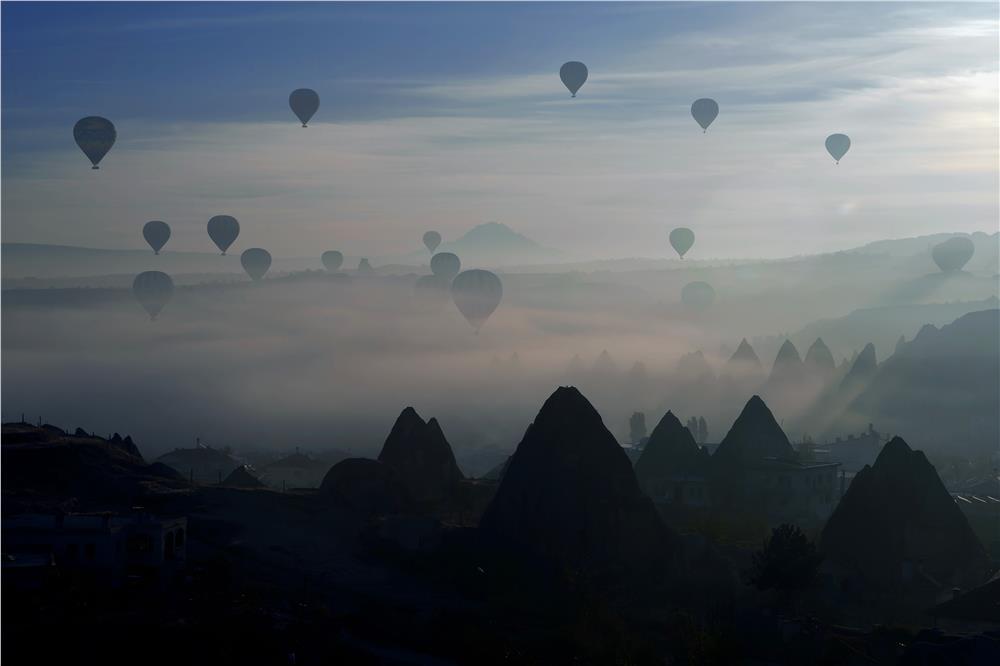
In Goreme, family-run businesses offer delicious local specialities. In these beautiful, cosy places you can eat delicious Turkish food as well as some western dishes. You will appreciate the affordable, very good quality food.
The Hittites, Assyrian, Phrygian, Median, Persian, Byzantine, Seljuk and Ottoman civilisations left their traces in Goreme, which is on the UNESCO World Heritage List, bordered by the Kızılırmak, Yeşilhisar, Hasan and Melendiz Mountains, Aksaray and Kırşehir.
The fascinating Fairy Chimneys formed by wind and water erosion of the tuff of Mount Erciyes and Mount Hasan are rocky places suitable for living in all seasons with their mild winters and cool summers.
Goreme has become an important Christian centre with the settlement of Christians fleeing from oppression.
The accumulation of millions of years, together with the fairy chimneys formed from volcanic tuffs, has made this natural and cultural heritage a World Heritage Site.
Göreme Open Air Museum, located 2 kilometres from Göreme, is a rock settlement that hosted intensive monastic life from the 6th to the 13th century AD.
In this valley, churches, chapels, dining halls and living spaces were carved into the rock blocks.
Goreme is considered to be the place where the monastic education system was initiated. The same education system was also observed in Soğanlı and Ihlara.
In the first layers of the churches, geometric ornaments used in the early periods of Christianity, frescoes made in later dates, the Bible and scenes from the life of Jesus Christ are seen.
Girls and Boys Monastery, St. Basileus Church, Elmalı Church, St. Barbara Church, Snake Church, Dark Church, Çarıklı Church and Buckled Church can be visited in Göreme Open Air Museum.
Göreme Open Air Museum was included in UNESCO's World Heritage List as a natural and cultural asset on 6 December 1985.
Göreme Historical National Park is one of the riches of Göreme. In 1985, the park was included in the UNESCO World Heritage List and consists of seven places including Derinkuyu Underground City, Kaymaklı Underground City, Karlık Church, St. Theodore Church, Karain Dovecotes and Soğanlı Archaeological Site.
Göreme Historical National Park in the volcanic region of Mount Hasan and Mount Erciyes has different geographical formations.
Fairy chimneys, which emerged as a result of natural events such as wind, water erosion and volcanic tuff with a formation lasting millions of years, give the region a characteristic appearance.
Since the region has hosted many civilisations throughout history, it bears the traces of the civilisations living in the region.
In the national park, there are many churches, monasteries, chapels, dining halls, monk cells, warehouses and wine-making areas carved into the valleys.
Especially the decorations, murals and frescoes on the inner walls of churches and monasteries are worth seeing.
The dovecotes on the high slopes of Zelve, Soğanlı and Üzengi valleys and the carved monk cells in the depths of the valleys also attract attention.
The Love Valley starts from Örencik and ends on the Göreme-Avanos road. The history of the region dates back to the Roman period.
Today, Love Valley is frequently used for marriage proposals. The wonderful view of the valley and the fairy chimneys in the valley from the hill exhibits a romance suitable for the purpose.
It is an area extending from Ürgüp-Nevşehir road to Göreme-Ortahisar road. It takes its name from the Zemi Stream flowing through it. It is approximately 6 kilometres long. The valley can be visited by walking for 5 hours.
There are many historical and natural structures on the valley road covered with fruit trees. 2 km ahead, the 11th century Karabulut Church and the Cistern Church welcome visitors.
The Cistern Church was used as a water cistern for many years. The frescoes on the water level in the church have a wonderful view.
El Nazar Church, Hidden Church and Görkündere Church are also located on the Zemi Valley.
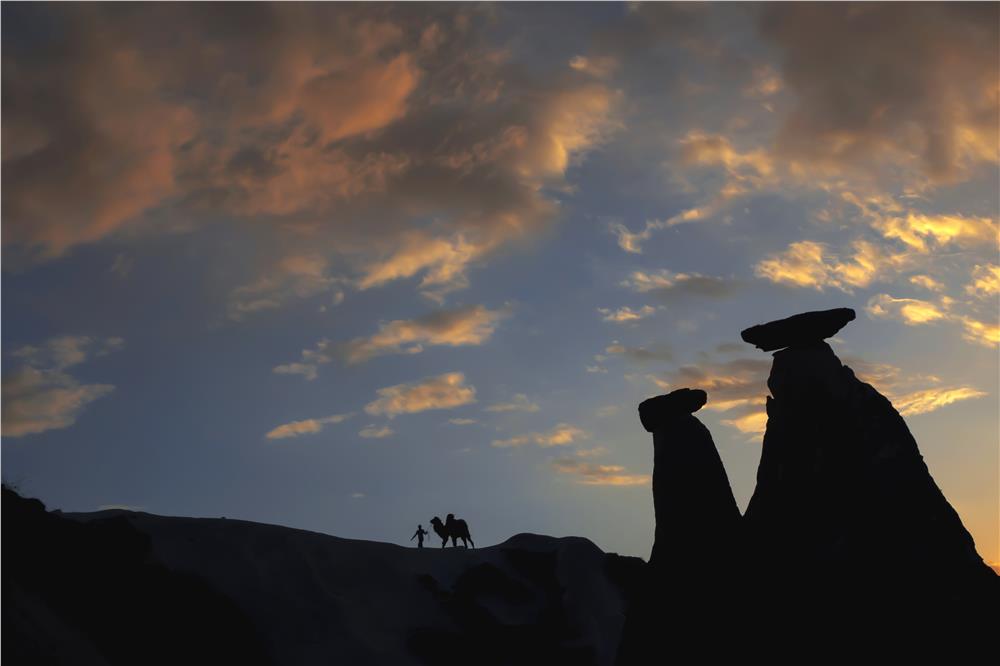
Zemi Valley, which relaxes with its white rocks, orchards, tunnels and underpasses, is among the important places in Goreme.
The valley, which is identified with the pigeons that give the name to the valley, is 4 km long. To the west is Uchisar Castle and to the east are dovecotes.
The use of pigeon dung in vineyards and gardens and pigeon eggs as mortar material for frescoes adds a different meaning to the valley.
It is home to the soft layer formed by volcanic ash and lava and caves.
Pigeon nests carved into soft rocks for pigeons to feed and live stand out with their carved rock structure and interesting geology.
Moreover, it is on the route of balloon tours.
There are many churches and monasteries carved into the rocks in the Rose Valley, which takes its name from the rocks that turn rose colour with the sunlight.
Rose Valley, located between Göreme and Çavuşin, is one of the points where you can see the fairy chimneys of Cappadocia most spectacularly.
The most popular hiking and trekking trails in the region, which are about 4 kilometres long, are also in this valley.
The valley, which is a stunning trekking area, offers magnificent sunrise and sunset views like the valleys of Cappadocia.
The volcanic structure of the Rose Valley has caused it to be used for shelter in history.
There are dovecotes carved into the rocks in the Rose Valley, Yovakim Anna Church with a fresco of the Virgin Mary, Direkli Church, Ayvalı Church, Crusader and Three Crusader Churches.
The Church of the Three Crosses, adorned with frescoes depicting the Bible and the life of Jesus Christ, with cross carvings and motifs consisting of three crosses, is the most interesting and striking structure of the valley.
The Ayvalı Church, decorated with frescoes of saints and biblical scenes, should also be included in the list of things to see.
Fırkatan Church, which is 1 kilometre from Ortahisar and 500 metres from Göreme, is also known as Aynalı Church. It is estimated to be built in the early 10th century. Architecturally, it has a different structure from the other churches of the region.
It has secret passages, kitchen, supply stores, hiding areas in case of danger and secret tunnels.
It has interesting geometric shapes painted in red. It should be added among the things to see in Goreme.
The place of worship of the church, which attracts attention with its wall decorations with perfect symmetry of geometric shapes, is reached by passing through three separate tunnels. The decorations depict the life of Jesus Christ, Mary and St Georgeos.
The church built on the high slopes of the Zemi Valley is one of the most important buildings of the Goreme Open Air Museum.
There is a tomb in the southern part of the rectangular, barrel-vaulted narthex from the curved staircase. It has a cruciform plan, cross-vaulted cross-arms, a central dome, four columns and three apses.
The colours of the frescoes are vivid due to the lack of light from a small window in the narthex. It is also called the Dark Church because of this lack of light.
Thought to have been built in the early 12th century, the church and its narthex are adorned with wonderful decorations covering the Bible and the Jesus Christ cycle.
Torah scenes are also illustrated, as in the Elmalı and Çarıklı Churches. It stands out from the others with its vivid frescoes, making it more remarkable.
Scenes of the Torah and Jesus Christ in the Dark Church
Deesis,
Good news,
Journey to Bethlehem,
Birth,
The Worship of the Three Magi,
Baptism
The Raising of Lazarus,
Transfiguration,
Entrance to Jerusalem,
Last Supper,
Betrayal,
Jesus Christ on the cross,
Women at the Empty Tomb,
The Consecration and Commissioning of the Apostles,
The Ascension of Jesus Christ,
Prophet Abraham's Hospitality,
The Burning of the Three Jewish Youths.
Located on a very steep slope to the left of the Zemi Valley, the Hidden Church was discovered in 1957.
It could not be found for a long time because the entrance was destroyed, so it was named the Hidden Church. As a result of the studies, it is estimated that the church may have been built in the second half of the 11th century.
The main space of the church, which consists of a building with three apses, is divided into two by two columns and three arches and has a transverse rectangular plan.
The most remarkable feature of the church is that the hidden wall decorations and paintings were made on the bedrock. The flat ceiling is decorated with cross and geometric ornaments.
Among the scene depictions on the walls; the most clearly survived one is the Face Covering of Veronica. Other depictions;
Prayer Scene,
Good news for Mary,
The Birth of Jesus Christ,
Christ's Calendar in the Temple,
The Commissioning of John the Baptist,
The Baptism of Jesus Christ,
Transfiguration,
Jesus Christ on the cross,
The Death of Mary,
Depictions of saints.
It is located in the Zemi Valley to the west of Göreme Open Air Museum.
The church, which is one of the most important buildings in Goreme, has a central dome and free mortar plan and three apses.
Estimated to be built in the 10th century, the T' planned, cross-armed barrel vaulted El Nazar Church was carved into a fairy chimney. There are graves in the eastern arm.
The colourful frescoes, the scenes depicting the childhood, youth and miracles of Jesus Christ depicted in the wall paintings, which are known to have been painted by two artists in archaic style, chronologically following each other, attract a lot of attention.
It is an abandoned Christian village surrounded by fairy chimneys, where the old way of life can be felt, and where you can take impressive landscape photos.
It is about 2 kilometres inside the Göreme-Avanos road.
It is possible to see the living places and frescoes of the monks in the valley where fairy chimneys, which form an interesting image with their unique cone shapes, are located.
The fairy chimneys, which have multi-body and multi-headed structures, have chapels and sitting places carved into them.
In the past, it was called the Valley of Monks and today it is known as Paşabağları. It is a romantic place for those who want to watch the sunrise and sunset.
One of the three-headed fairy chimneys has a chapel and hermitage cell built for St Simeon.
Between the 9th and 13th centuries, this area, which was used as a settlement by Christians, consisted of three valleys.
Zelve is included in historical records as the place where the first religious seminars for priests were organised.
In the valley, there are the important Balıklı Church, Üzümlü and Geyikli Churches of the 728-842 Iconoclastic Period.
In addition, in this valley, the pigeon nests carved into the slopes, i.e. dovecotes, are quite remarkable.
From this rock castle at the highest point of Goreme, you can watch the valleys and fairy chimneys of Cappadocia and see the old settlements in it.
From here you can watch the fields turned golden by the sun, the valleys and fairy chimneys of Goreme, and the colourful hot air balloons like a postcard.
The castle, which dates back to Roman and Byzantine times and even to the 4th and 1st century BC, was used by Christian monks for defence purposes.
Uchisar Castle consists of two adjacent pointed fairy chimneys. With a height of over 100 metres
It is a special fairy chimney seen from the whole of Cappadocia and has a bird's eye view of Cappadocia. There are many carved tombs, cubes and large cisterns, rooms, houses, shelters, warehouses, and cellars in Uçhisar Castle.